
Support Line:0330 190 0939
Any date
 Price Match Promise*
TRAVEL ADVICE FOR THE CANARY ISLANDS
By
Ricky Durrance
12 Dec 2016
When the weather’s cold, grey and downright miserable, it’s good to know that sunshine holidays in Canary Islands are only a few hours away - plus our value deals mean you can snap up cheap holidays to Canaries today! The balmy islands of Tenerife, Fuerteventura, Lanzarote and Gran Canaria are favourites for family and couples holidays, not just because of their year-round sun and fantastic hotels, but their great record on safety, too.
GENERAL SAFETY
- An archipelago in Spain, the Canary Islands are generally a low risk area to travel to. And unlike mainland Spain, most of the populated areas of the Canaries are tourist resorts where crime is low and there is a good police presence.
- Like most of Europe, the British Foreign Office states that Spain is at potential risk of a terrorist attack. However, the risk on the Canaries is thought to be less than on the mainland as the islands are largely gun-free, airport security is tight and it’s almost impossible for boats to dock undetected.
- All the Canary Islands destinations are purpose-built resorts, driving is easy and the locals are used to tourists on the road. Remember to drive on the right-hand side and be aware of scooters and mopeds. If you hire one of these, ensure you wear a helmet and are confident on the roads.
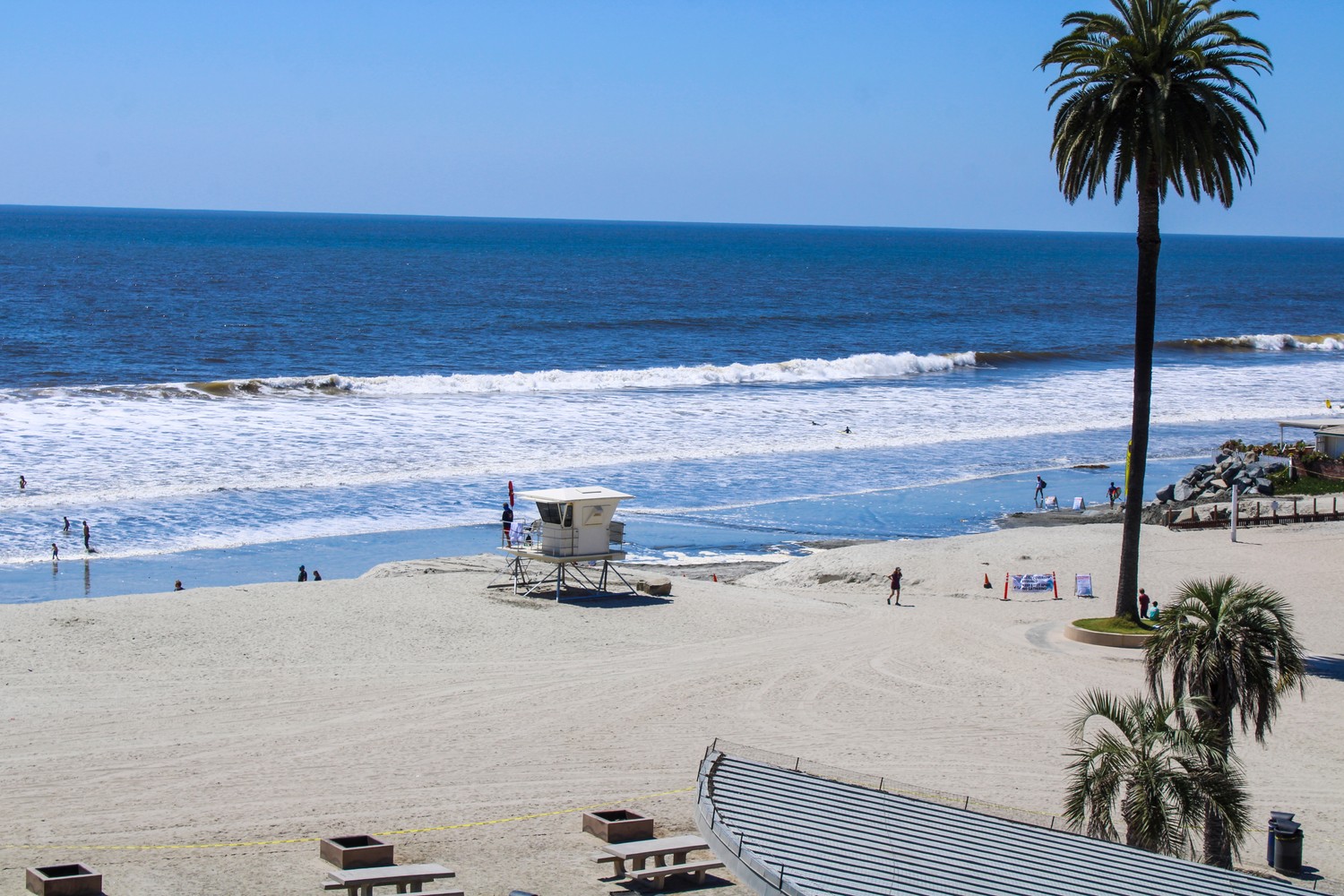
- Beaches in the Canaries tend to be safe with lifeguards on duty, but remember waves and currents can be strong so don’t go out of your depth, and be careful when paddling with little ones. More remote waters, like the rugged west coast of Fuerteventura, should be avoided for swimming.
- Watersports in Canary Islands, like windsurfing and water-skiing, are plentiful and most companies are reputable, English-speaking and insured. If in doubt, ask your hotel to recommend one of the activity operators in your resort for added peace of mind.
- Sunburn and sunstroke are by far the most common weather-related problems, so remember to stay hydrated and wear sunscreen, even when it’s overcast outside. Dust storms are a possibility, especially in February and March, but shouldn’t be harmful if you stay inside.
- Tap water is generally safe to drink, but to be on the safe side most tourists stick to bottled water, which tends to taste nicer anyway.
- The Canary Islands are famous for their black, volcanic sands, but although they are a chain of volcanic islands the last eruption in Tenerife was 2 – 3 million years ago, so there is no need to worry on that score!
VISAS, VACCINATIONS AND TRAVEL ADVICE
- British nationals don’t need a visa to visit the Canary Islands. Passports should be valid for the entire length of your stay.
- No vaccinations are needed for your holiday in the Canaries, however, if you have specific medical issue make sure you visit your GP 4 – 6 weeks before travel.
- Make sure your party all have valid EHIC health insurance cards before you travel. This service is available free of charge so don’t fall for websites who charge a fee. The EHIC card is not a replacement for travel insurance, but is necessary for emergency medical treatment abroad. In an emergency, call 112.
- Adequate travel insurance is a must for cancelled flights, losses, theft and damage to property and any medical problems that may arise during your stay. These days, many insurance policies don’t include gadgets such as tablets and mobile phones, so if this is important to you, make sure yours does!
CANARY ISLAND HOLIDAY TIPS
- Most of the Canary Islands are safe and well-populated, even at night, but use common sense and don’t stray into deserted areas on your own.
- Although the crime rate is low, petty thefts do occur so make sure you use your hotel safe and don’t leave valuables unattended by the pool or on the beach. Be extra vigilant with your passport and money when out and about too, particularly when passing through the airport.
- Holidays in Playa de las Americas in Tenerife and holidays in Playa del Ingles in Gran Canaria are quite lively, with alcohol flowing freely and cheaply. The busiest late-night drinking areas have a good police presence, especially in the summer.
- Construction work is still a common sight on the island, so make sure children stay well clear of building sites.
- All police are uniformed, travel in marked cars and will produce id when asked, so don’t stop if flagged down when driving unless the person fits the bill!
- Licensed taxis are cheap and plentiful across the islands, but if in doubt, ask your hotel to call you one.
LOCAL LAWS AND CUSTOMS
- The Canary Islands have strict drug laws where even possession of a small amount can lead to arrest.
- The legal drinking age is 18, although you can drink wine and beer if accompanied by your parents from the age of 16.
- Drinking in public areas is illegal.
Frequently Asked Questions
Where are the Canary Islands located?
The Canary Islands are a group of Spanish islands situated in the North Atlantic Ocean, just off the southwest coast of Morocco.
Why should I visit the Canary Islands?
The islands offer year-round sunshine, beautiful beaches, stunning volcanic landscapes, and a mix of adventure and relaxation. They’re ideal for surfing, diving, hiking, and sunbathing.
What are the best things to do in the Canary Islands?
Visitors can explore national parks, enjoy water sports, relax on beaches, go hiking on volcanic trails, and experience lively local culture and food.
When is the best time to visit the Canary Islands?
The best months to visit are from March to May and September to November, when the weather is warm and pleasant, and there are fewer crowds than in the summer or winter peak seasons.
What is the weather like?
The Canary Islands enjoy a mild climate all year round, with plenty of sunshine and comfortable temperatures that make them a popular winter sun destination.
What language is spoken in the Canary Islands?
Spanish is the main language spoken. Some locals on the smaller islands also use traditional forms of communication such as whistled languages.
What currency is used?
The euro (€) is the official currency across all the islands. Most restaurants and shops accept major credit cards.
What local foods should I try?
Fresh seafood such as parrot fish and sea bream are popular, as are local potatoes served with spicy sauces. Goat cheese and wines produced from volcanic soil are also local favourites.
What cultural events take place in the Canary Islands?
Carnival is one of the biggest celebrations of the year, featuring colourful parades, music, and dancing. Religious pilgrimages and traditional festivals known as Romeria are also widely celebrated.
Is it safe to travel to the Canary Islands?
The islands are generally very safe. The main concerns are sun exposure and petty theft in busy tourist areas. Always wear sunscreen, stay hydrated, and keep your valuables secure.
What’s the best way to get around the islands?
Hiring a car is the most convenient way to explore. For travelling between islands, you can use local flights or inter-island ferries.
How can I reach the Canary Islands from the UK?
There are regular flights from many UK airports to the main islands. If travelling from outside Europe, you may need to connect through a major European city.
Are there national parks worth visiting?
Yes. The islands feature several national parks, including volcanic landscapes, lava fields, and unique natural formations — perfect for hiking and sightseeing.