
Support Line:0330 190 0939
Any date
 Price Match Promise*
The Best Plane Seats to Book for Every Type of Traveller
By
Ricky Durrance
25 Sep 2026
Window or aisle? Front or back? Extra legroom or take your chances with a standard seat?
The best seat on a plane isn't necessarily the same for everyone. Where you should sit can depend on who you're travelling with, how comfortable you are flying and what matters most to you during the journey.
Ricky Durrance of package holiday specialists Teletext Holidays shares the seats worth considering for five common types of traveller.
Travelling solo: Aisle seat, towards the back
If you're travelling on your own, an aisle seat can make the journey much easier.
“You don't want to have to ask two strangers to move every time you want to get up. With the aisle seat, you're free to stretch your legs or head to the toilet whenever you need to.
“On flights that aren't completely full, you may also find some spare seats towards the rear of the cabin. Just avoid going too far back if you can – the last row can be noisier and busier because of the toilets and galley.”
Travelling as a couple: Window and aisle, leaving the middle seat
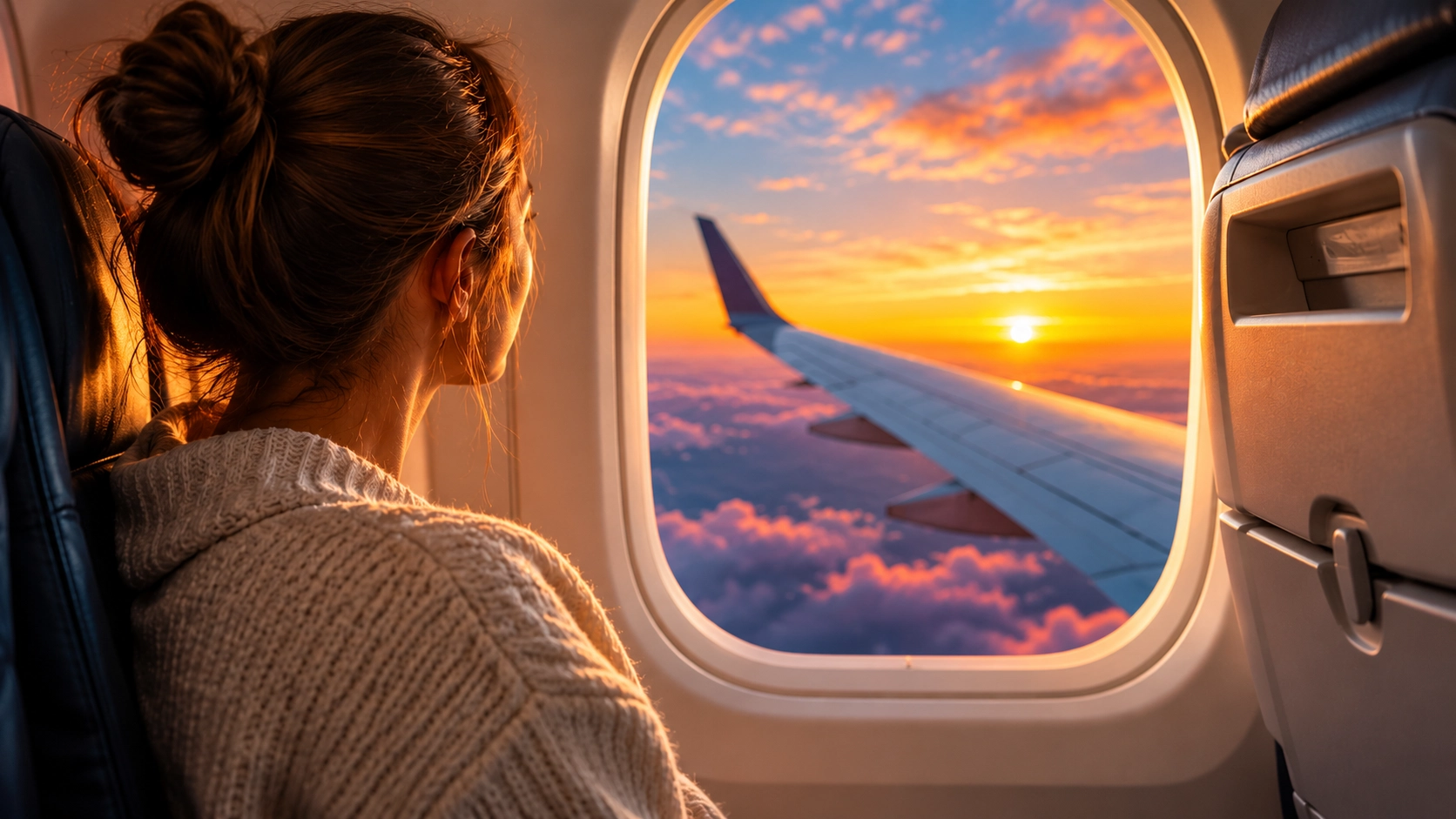
If you're travelling as a couple and you're happy to take a small gamble, consider booking the window and aisle seats in a row of three.
“Middle seats aren't usually people's first choice, so if the flight isn't full, there's a chance nobody will select the seat between you and you'll end up with the whole row.
“If somebody does get the middle seat, you can politely ask whether they'd like to swap for either the window or aisle so you can sit together. Just remember they're under no obligation to move.
“If sitting together is important to you, the safest option is still to pay to select your seats in advance. When you're booking a package holiday, ask whether seat selection can be added before you confirm your booking.”
Travelling as a family: Sit together, ideally around the middle of the cabin
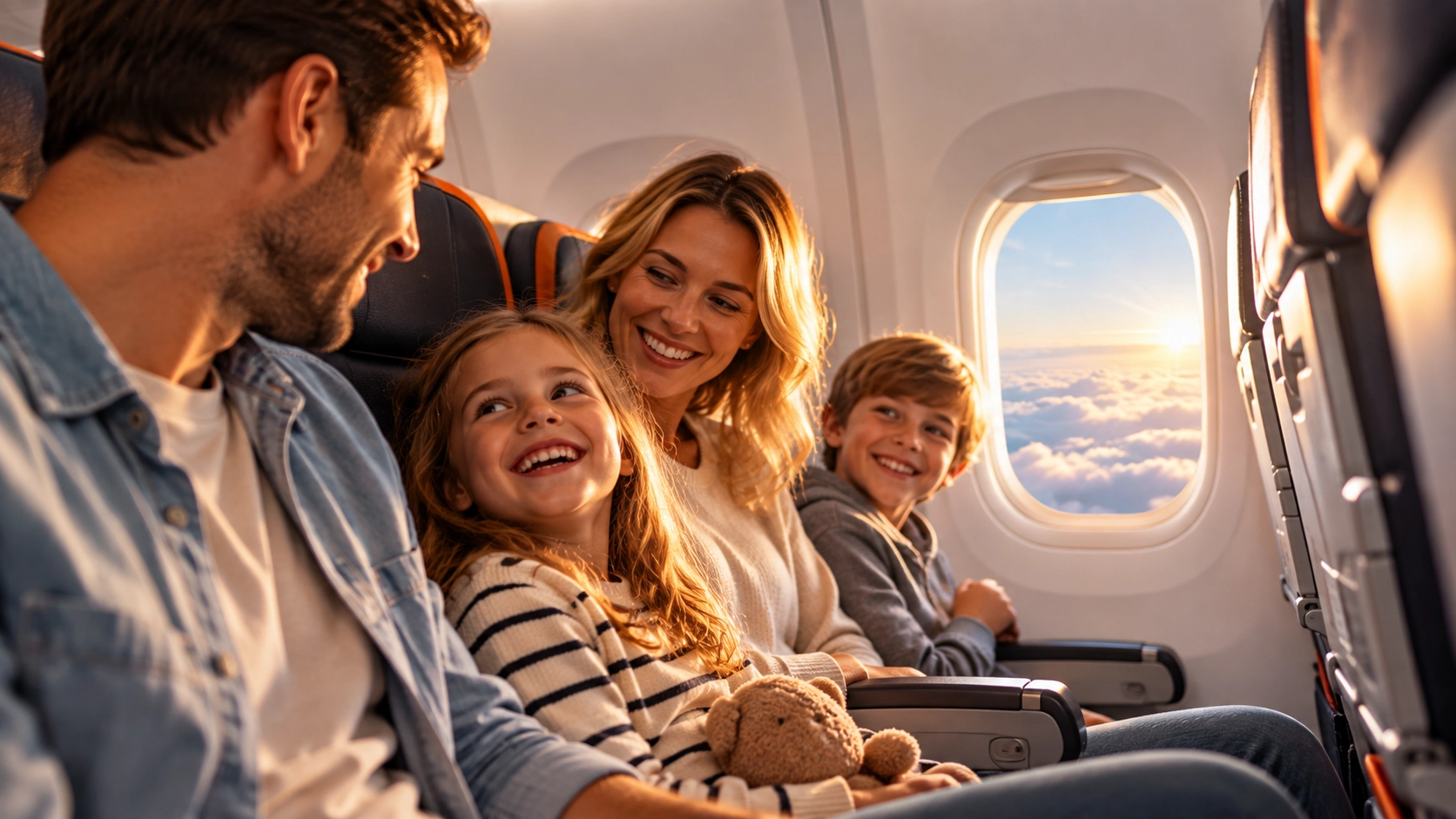
For families, sitting together is usually more important than securing a particular part of the aircraft.
“Don't simply assume your children will automatically be seated directly next to you. UK aviation guidance is designed to keep children close to accompanying adults, but it's still worth checking your airline's seating policy and arranging seats in advance if you want certainty.
“For a family of three, having three seats together in the same row is the obvious choice. The middle section of the aircraft can also offer a useful balance between getting around the cabin and avoiding the very front or back.
“On long-haul flights, bulkhead seats can sometimes be useful for families travelling with babies because some aircraft have bassinet positions there. On short-haul flights, however, front-row seats are often sold as premium or extra-legroom seats.”
Older travellers: Aisle seat, towards the front
For longer short-haul flights, such as journeys to Greece, Turkey or the Canary Islands, being able to get up easily can make a big difference to comfort.
“An aisle seat means you can stand up and stretch without having to climb over anybody else. Sitting towards the front can also make getting on and off the aircraft a little easier.
“If your budget allows, extra-legroom seats can give you more space and make a longer flight more comfortable.
“Be careful with exit-row seats, though. Passengers sitting there need to meet the airline's safety requirements and must be able and willing to assist in an emergency. They're therefore not suitable for everybody, including some passengers with reduced mobility.”
Nervous flyer: Around the wings
If flying makes you nervous, where you sit can make a difference to how much movement you notice.
“The area around the wings is generally where you'll notice less of the pitching movement you can experience towards the front or rear of an aircraft.
“An aisle seat can also help if you don't like feeling boxed in. On the other hand, some nervous travellers prefer a window seat because being able to see outside and look towards the horizon can help them feel more comfortable.
“Think about what makes you anxious about flying and choose accordingly. If you're particularly nervous, letting the cabin crew know when you board can also be helpful.”
Worried about turbulence? Try sitting around the wings
There's no seat that allows you to avoid turbulence completely, but some parts of an aircraft can feel less movement than others.
“If turbulence is your main concern, look for a seat around the wings. You're closer to the aircraft's centre of lift and gravity, so movement can feel less pronounced than it does towards the very front or back.”
Plane seats you might want to avoid
There isn't one universally “bad” seat – it depends on what matters most to you. But there are a few positions worth thinking twice about.
The last row: These seats can have limited recline on some aircraft and are often close to the toilets and galley, meaning more noise and foot traffic.
Seats next to the toilets: Convenient if you need them regularly, but they're also among the busiest areas of the cabin and passengers may queue nearby.
The very back of the aircraft: You may notice more movement during turbulence and, depending on how the aircraft disembarks, could have a longer wait to get off.
Exit rows: The extra legroom is appealing, but passengers must meet the airline's safety requirements and be willing and able to assist in an emergency.
Bulkhead rows: They can provide additional space on some aircraft, but often have fixed armrests and you may need to put all hand luggage in the overhead lockers during take-off and landing.
So, which plane seat should you choose?
There's no single best or worst seat on a plane. The trick is choosing the one that suits the way you travel.
Solo travellers may appreciate the freedom of an aisle seat, couples can try the window-and-aisle trick, families should prioritise sitting together, older travellers may benefit from easy aisle access, and nervous flyers might feel more comfortable around the wings.
Whichever seat you choose, if sitting somewhere specific is important to you, selecting your seat in advance is the best way to avoid leaving it to chance.