

Price Match Promise*
Rated Excellent & Exceptional
Secure Trust Account
Secure Trust Account · Price Match Promise*

Flights + Hotel
Select date
 Price Match Promise*
NATIONAL ANIMALS AROUND THE WORLD
By
Ricky Durrance
01 Sep 2016
The most exciting part about travelling (besides the beautiful beaches) is having the opportunity to experience something new, right? Many countries symbolise their culture and heritage by honouring a particular animal, but if you haven't been lucky enough to see one for yourself, we've rounded up some of the more unusual national animals around the world. After all, why shouldn't we love a Marten? Once you've set sights on these furry friends, we're sure you'll be packing your suitcase to visit them for real!

MARTEN
CROATIA
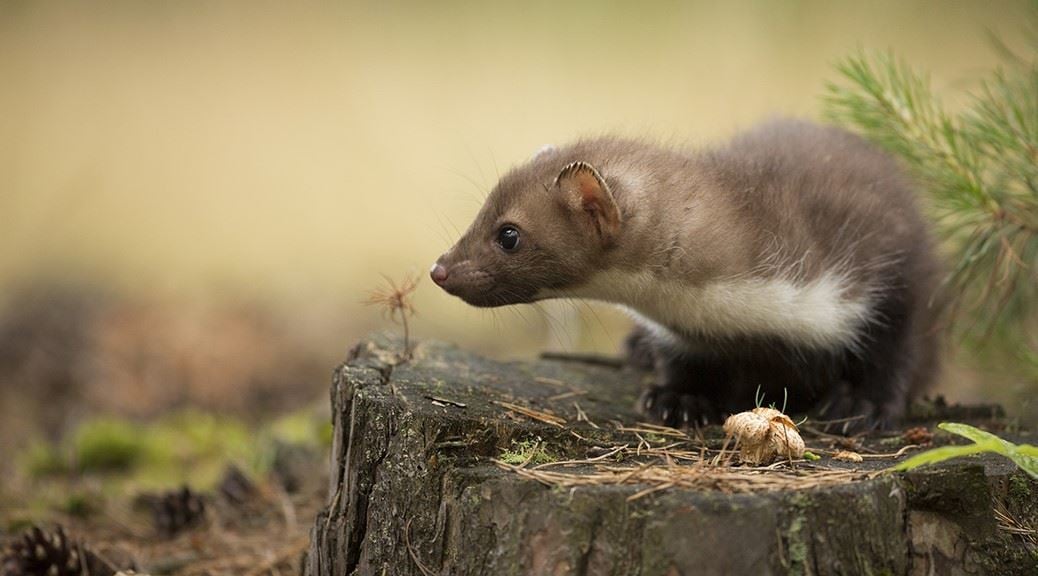
Meet Marten! The national animal of Croatia. These little guys are extremely cute and look (to us) like a cross between a ferret and a small kitten - fluffy and rather innocent looking! Don’t let their furry faces fool you though, a Marten once ran onto a football pitch in Switzerland and bit one of the players after he tried to pick him up! But, as long as you don’t try to touch them they truly are wonderful creatures. In the Middle Ages the animal's fur was incredibly valuable and often used as a form of payment but, thankfully, Croatia now looks after its Martens.

DOLPHIN / PHOENIX
GREECE
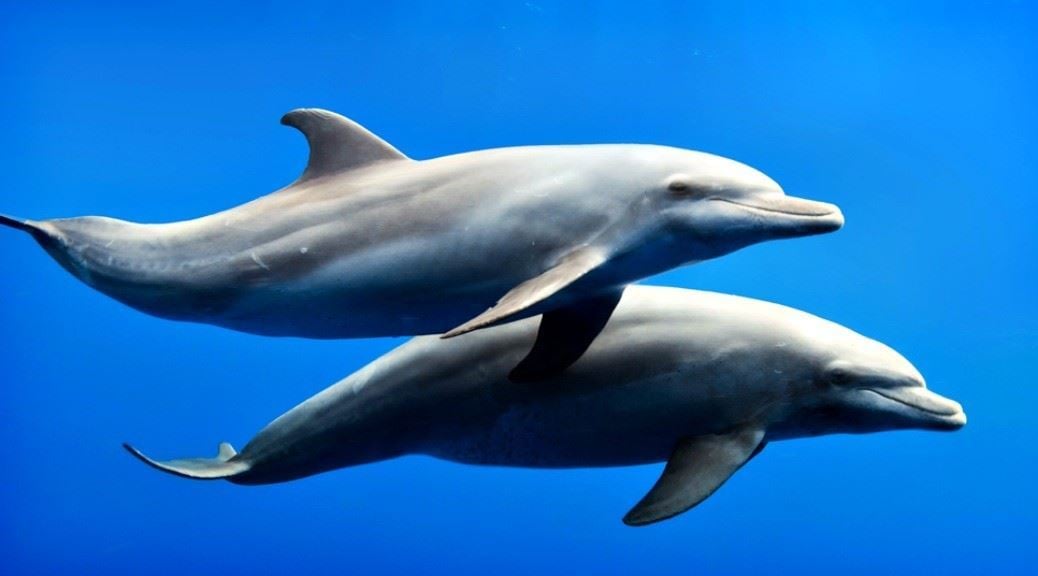
Greece decided to have two magnificent creatures to represent as their national animals and although one of them is mythical, the dolphin and the phoenix are pretty strong animals to represent your country with! Dolphins have had a long and close relationship with humans as many of their characteristics are remarkably similar to ours, even though they live in the sea! It’s thought by some that the decision around the national animal of Greece was influenced by the sea-faring ways of the ancient Greeks. Dolphins have been admired by humans for years, right back to Greek mythology, in which it is stated that Poseidon particularly loved the dolphins. The Phoenix is said to obtain a new life by arising from the ashes of another phoenix before him, this symbolised the rebirth of the new Greek state in 1828 and appeared on the currency at the time.

ANDEAN CONDOR
BOLIVIA AND CHILE
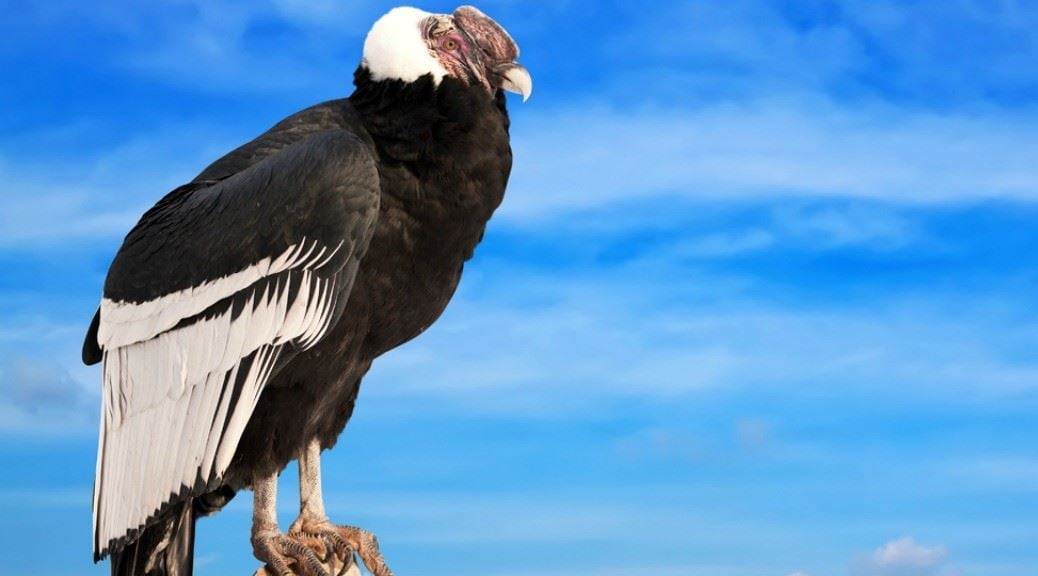
This spectacular breed of vulture is the national bird of Bolivia and Chile. The Andean Condor could be considered one of the oldest national animals in the world, as it has been represented is South American culture since 2500BC through art, folklore and mythology therefore holds an important part in the history and culture of many countries. Unfortunately this magnificent bird is considered to be an endangered species, there are however plenty of conservation projects working to keep the species alive.
GOLDEN EAGLE
MEXICO
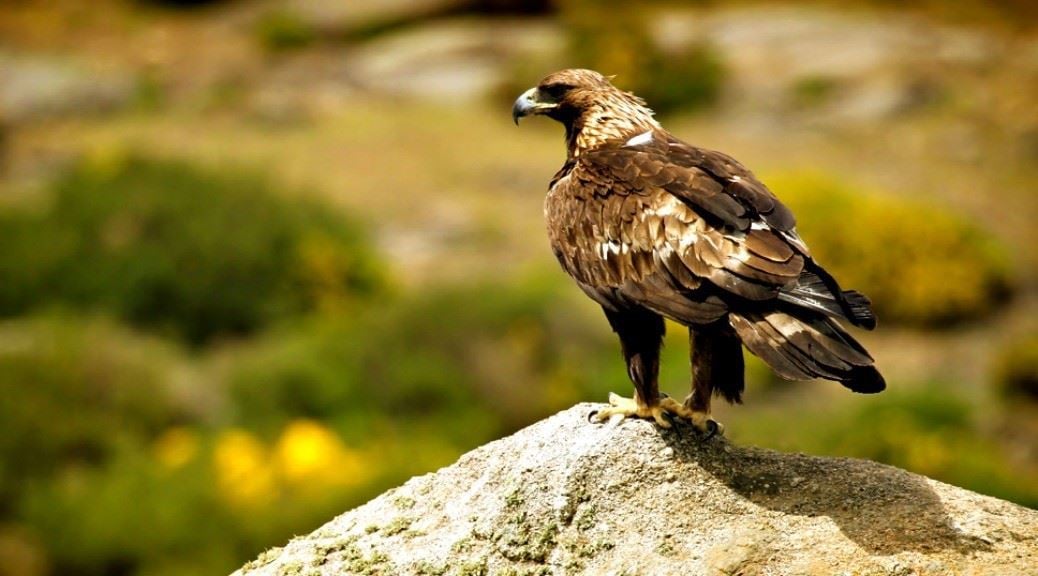
The Golden Eagle is a magnificent beast and one of the best-known birds of prey on the Northern Hemisphere. Not only are they gorgeous to look at but can also dive upon their quarry at speeds of over a whopping 150 miles per hour, pretty impressive, right? These majestic creatures can be found in Mexico, North America, Asia, North Africa and Europe - so it's worth keeping your eyes peeled if you're travelling to any of these destinations. Of course as the national animal of Mexico, there are plenty of day trips to see the bird if you’re visiting the country.
ELK
NORWAY
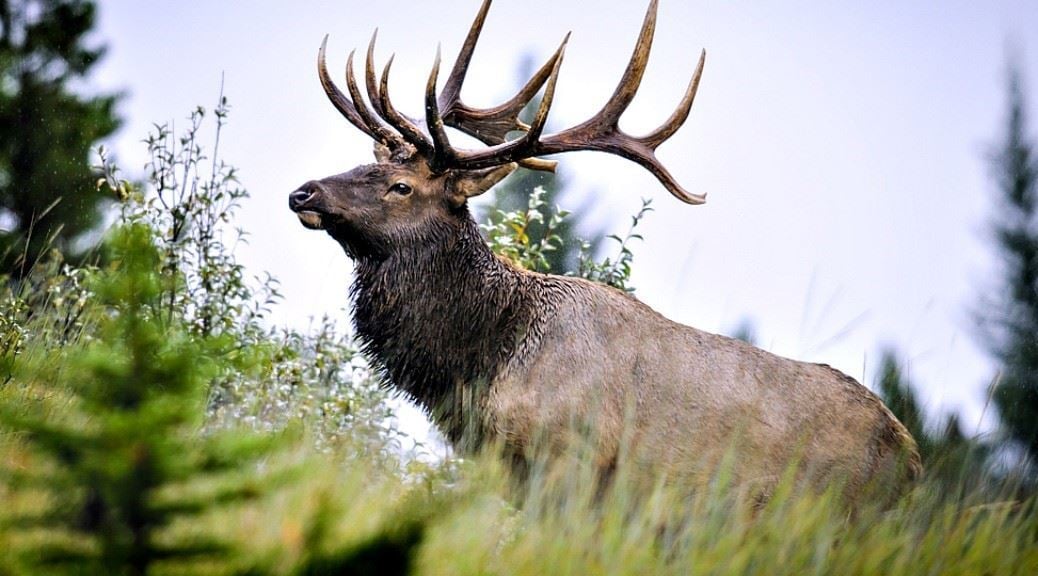
Often referred to as the "King of the Forest", the Elk (also known as Wapiti) holds the crown for being one of the largest species within the deer family and one of the largest land mammals in North America and Eastern Asia, too. It also can’t be argued that this is easily one of the most regal-looking national animals! At six feet tall, it would be hard to miss one of these creatures roaming around the forests of Norway, Canada and Alaska.
ROYAL BENGAL TIGER
INDIA
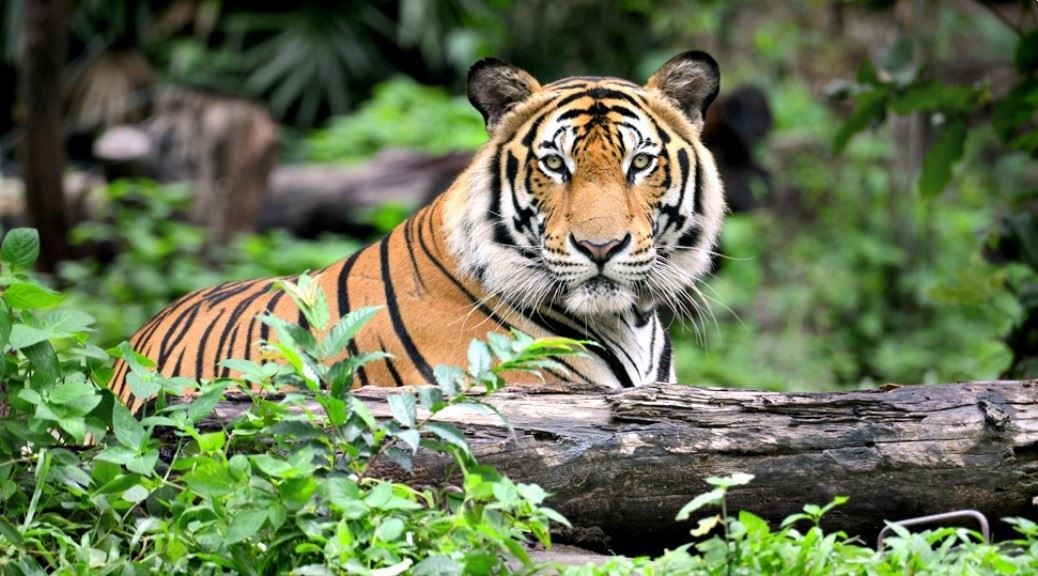
The Tiger is often thought of as the king of the jungle so it's not hard to see why the Indians chose this as a symbol of strength, power and elegance to represent their country! The tiger also symbolises the wealth of wildlife which India is so very proud of, it's actually more relevant than ever today as India continues with several schemes to protect the tiger from poachers. In fact, this was one of the reasons why it was introduced as the national animal back in 1973, in order to raise awareness of the fact that the species was becoming endangered.
Frequently Asked Questions
What is a national animal?
A national animal is a creature that stands as a symbol of a country’s culture, history, or values. These animals often pop up in folklore, art, coins, and various national symbols.
Why do countries choose animals as symbols?
Countries often select animals because they embody qualities like strength, resilience, freedom, or heritage. Many times, these creatures have deep ties to the nation’s history or natural surroundings.
Why is the Marten Croatia’s national animal?
The Marten has held significance for Croatia for centuries. Back in the Middle Ages, its fur was so prized that it was even used as a form of currency. Today, it represents tradition and is under protection.
Does Greece really have two national animals?
Absolutely! Greece recognizes both the dolphin and the phoenix. The dolphin highlights Greece’s long-standing connection to the sea, while the phoenix stands for rebirth and national renewal.
What makes the Andean Condor so special?
The Andean Condor is one of the oldest cultural symbols in the world, tracing back to 2500 BC. It plays a significant role in South American folklore and symbolizes power and freedom.
Is the Andean Condor endangered?
Unfortunately, yes. This majestic species is facing threats, but there are conservation projects actively working to safeguard and boost its population.
Why is the Golden Eagle important to Mexico?
The Golden Eagle is a symbol of strength and courage. It proudly appears on Mexico’s flag and has been a part of the nation’s identity for centuries.
Where can Golden Eagles be found?
You can find them across Mexico, North America, Europe, Asia, and North Africa, typically in open landscapes and mountainous regions.
Why is the Elk Norway’s national animal?
The Elk, often referred to as the “King of the Forest,” symbolizes wilderness and natural beauty. Its impressive size and presence make it one of the most remarkable deer species.
Why did India choose the Bengal Tiger?
The Bengal Tiger stands for power, elegance, and wildlife conservation. It was designated as the national animal in 1973 to raise awareness and protect the species from extinction.